Incident
2025 Tehran Supreme Court Shooting
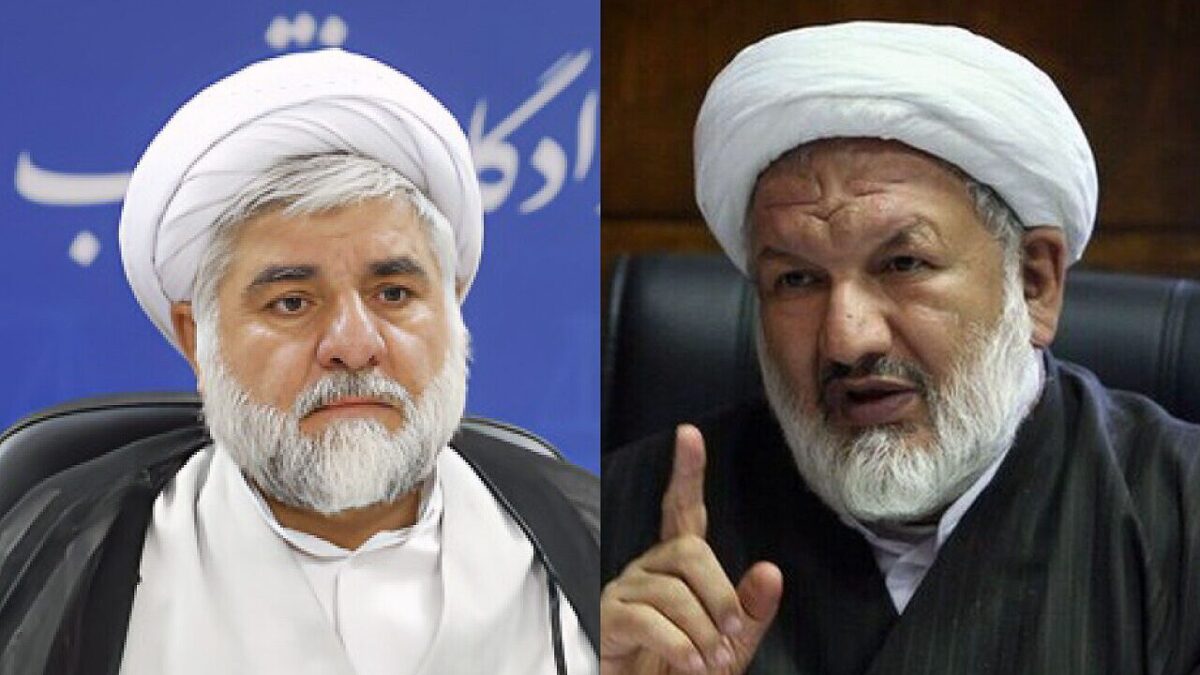
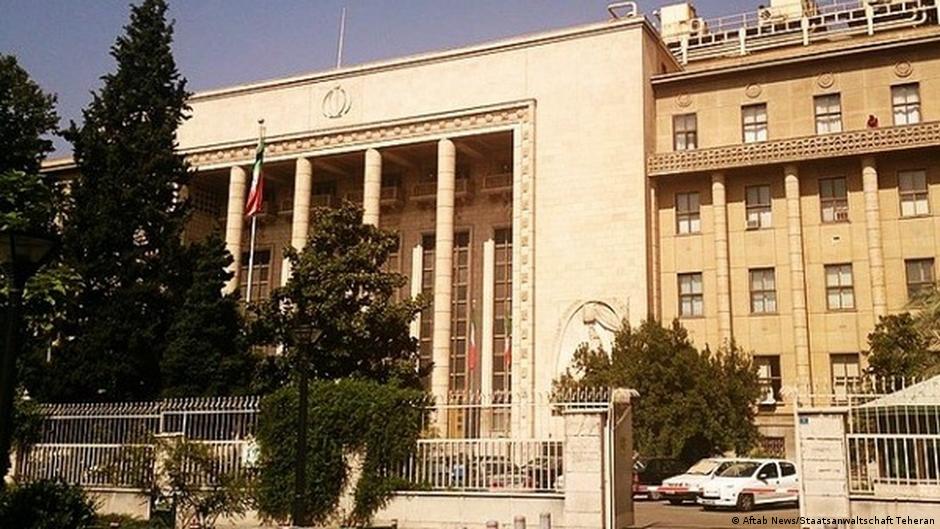
On 18 January 2025, a service worker armed with a knife entered the Supreme Court of Iran's Palace of Justice in Tehran, stabbed a bodyguard, seized his handgun, and shot dead two senior judges, Ali Razini and Mohammad Moghiseh, in their offices before fatally shooting himself while fleeing. Both judges had presided over politically sensitive national security cases, including trials of protesters and dissidents, and had roles in the 1988 mass executions of Iranian political prisoners. Iranian authorities described the attack as a premeditated assassination; the perpetrator's motive was not officially established.
Date
2025-01-18
Status
documentedUpdated
2026-07-06
Location
Supreme Court of Iran, Palace of Justice, Tehran
Attributed To
Farshad Asadi (motive unresolved)
Casualties
3 killed, 1+ injured
Overview
On the morning of 18 January 2025, a man armed with a knife entered Branch 39 of the Supreme Court of Iran, housed inside the Palace of Justice in Tehran. He attacked and stabbed a bodyguard, seized the guard's handgun, and proceeded to shoot two senior judges, Ali Razini and Mohammad Moghiseh, in their offices. Both judges died from their wounds; a third judge present in the building was also shot but survived. The assailant then shot himself while attempting to flee on the building's third floor and died at the scene.
The perpetrator was identified as Farshad Asadi, a 39-year-old Iranian citizen who had worked at the Supreme Court for seven to eight years as a service worker and drink carrier. Iranian judiciary officials stated that preliminary investigations found Asadi had no prior cases before the court and was not a registered visitor, describing the attack as a "premeditated assassination." Some early reporting attributed a possible salary dispute as a contributing factor, though Iranian authorities did not release a confirmed motive.
Attribution
Ali Razini, 71, and Mohammad Moghiseh, 68, were both senior Sharia judges (qadis) who had presided over politically sensitive cases involving student protesters, journalists, artists, and civil society activists, and both had roles connected to the 1988 mass executions of Iranian political prisoners. Moghiseh had been sanctioned by the United States Treasury Department, the European Union, and Canada for human rights abuses related to censorship and suppression of free expression. Razini had survived a prior assassination attempt in 1998. Given the judges' profiles, some Iranian and international observers speculated about a possible political or foreign-linked motive, though no organisation claimed responsibility and Iranian authorities did not substantiate such claims, describing the case instead as under investigation into Asadi's personal grievances.
Legal Proceedings
Because Asadi died at the scene, no criminal trial took place. Iranian judiciary spokesman Asghar Jahangir stated that the judges had been working on "national security cases, including espionage and terrorism" at the time of their deaths. Several people who worked at the courthouse were reportedly detained for questioning in the aftermath, and Iranian authorities continued an internal investigation into security failures that allowed an unauthorised individual to access judges' offices armed with a weapon.
Context
Attacks on senior Iranian judiciary figures are rare; the last comparable assassination was that of judge Hassan Moghaddas in 2005. The killings occurred amid heightened domestic tension in Iran following waves of protests since 2022 and amid broader regional instability. Iranian Supreme Leader Ali Khamenei described the judges as "martyrs," while President Masoud Pezeshkian called the killings a "terrorist and cowardly" act.
International Response
The attack drew limited direct international reaction given Iran's diplomatic isolation, though human rights organisations and Iranian opposition figures abroad noted the judges' records overseeing politically charged prosecutions. Iran's Prosecutor-General Mohammad Jafar Montazeri described the killings as a "price" the Islamic Republic paid for its "survival," a statement widely reported by international outlets covering the incident.
Sources
- 1Two Iranian Supreme Court judges shot dead in rare Tehran attack
The Washington Post · 2025-01-18 · Journalism
- 2Two Supreme Court judges killed in Tehran shooting attack
Al Jazeera · 2025-01-18 · Journalism
- 3Two Supreme Court judges shot dead in Tehran, Iranian judiciary says
Reuters · 2025-01-18 · Journalism
- 42 Iranian Supreme Court Judges Killed In Tehran
Radio Free Europe/Radio Liberty · 2025-01-18 · Journalism