Incident
2025 Mir Ali Suicide Bombing, North Waziristan
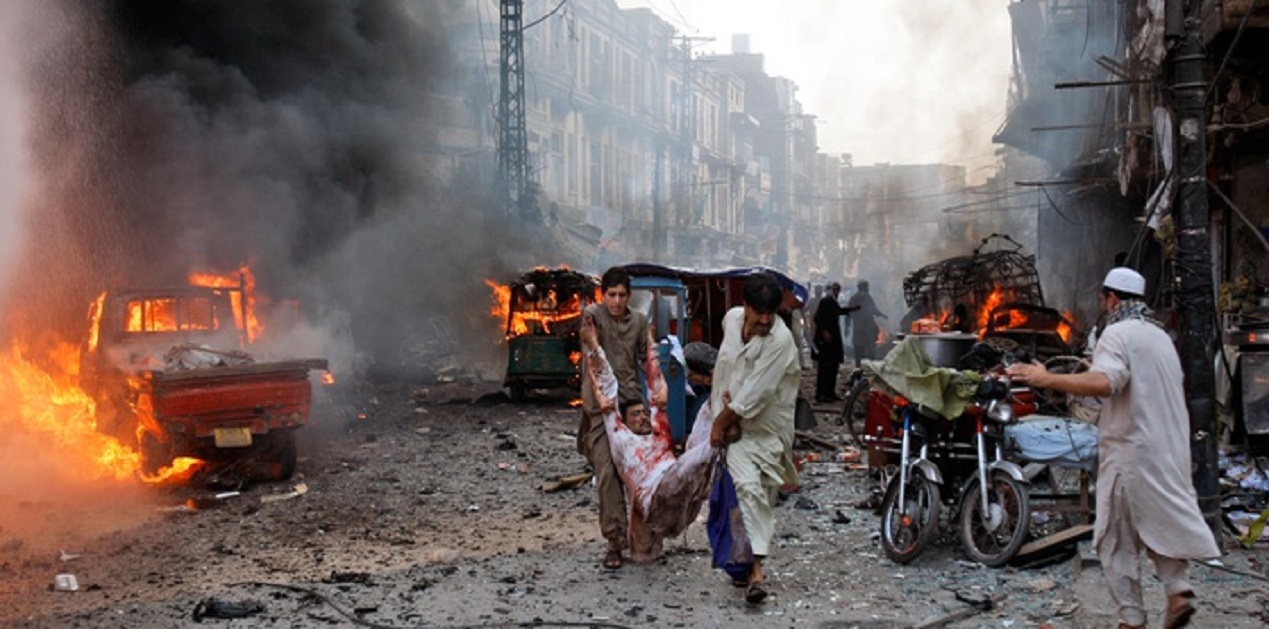
On 28 June 2025, a Tehrik-i-Taliban Pakistan-linked suicide bomber rammed an explosive-laden vehicle into a Pakistan Armed Forces convoy in Khadi, near Mir Ali in North Waziristan District, Khyber Pakhtunkhwa. The blast, involving an estimated 800 kilograms of explosives, killed at least 13 soldiers and injured 29 others, including civilians and children in nearby homes. The Hafiz Gul Bahadur Group, a faction of the Pakistani Taliban, claimed responsibility. Pakistan's military said it killed 14 militants in follow-up operations and alleged Indian involvement, a claim India rejected.
Date
2025-06-28
Status
documentedUpdated
2026-07-06
Location
Khadi, Mir Ali, North Waziristan District, Khyber Pakhtunkhwa
Attributed To
Hafiz Gul Bahadur Group (Tehrik-i-Taliban Pakistan faction)
Casualties
16 killed, 29+ injured
Overview
At around midday on 28 June 2025, during a curfew imposed to facilitate the movement of security forces, a suicide bomber drove an explosive-laden vehicle into a Pakistan Armed Forces convoy in Khadi, near the town of Mir Ali in North Waziristan District, Khyber Pakhtunkhwa. The vehicle struck a military truck carrying soldiers assigned to bomb-disposal duties before detonating. An initial probe found that approximately 800 kilograms of explosives had been used, among the largest such charges recorded in the region's recent history of insurgent attacks.
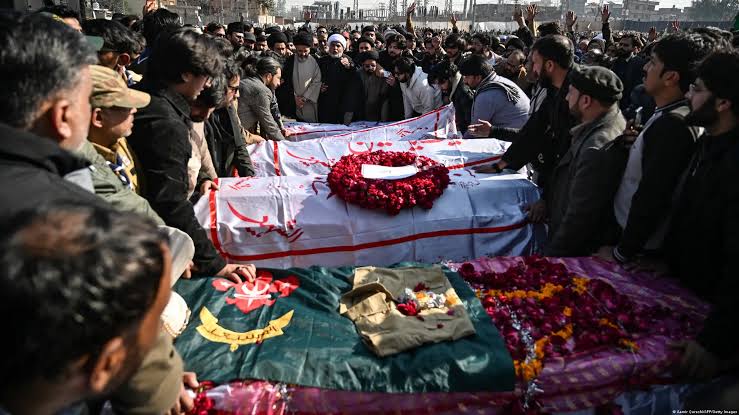
Pakistan's Inter-Services Public Relations (ISPR) confirmed that 13 soldiers were killed, later reports citing figures as high as 16 when including the bomber and additional fatalities. Twenty-nine people were injured, including civilians, women, and children in nearby houses whose roofs partially collapsed from the force of the blast. Footage from the scene showed bandaged children among the wounded. Pakistani security forces subsequently killed 14 militants in follow-up operations in the area.
Attribution
The Hafiz Gul Bahadur Group, an armed faction operating under the umbrella of Tehrik-i-Taliban Pakistan (TTP) in North Waziristan, claimed responsibility for the attack. ISPR additionally alleged that India was linked to the bombing, a claim the Indian Ministry of External Affairs rejected, stating the accusation "deserves contempt." Pakistan's military and civilian leadership, including Field Marshal Asim Munir, condemned the bombing and vowed decisive retribution against those responsible.
Context
North Waziristan and the broader former Federally Administered Tribal Areas have remained a persistent centre of militant activity linked to Tehrik-i-Taliban Pakistan (TTP) and its affiliated factions since the Pakistani Taliban's resurgence following the return of the Afghan Taliban to power in Kabul in 2021. Pakistani officials have repeatedly accused Afghanistan of allowing TTP-linked militants to operate from its territory, an allegation the Afghan Taliban government denies. According to an Agence France-Presse tally, approximately 290 people, most of them security personnel, were killed in militant attacks in Khyber Pakhtunkhwa and Balochistan in the months preceding the Mir Ali bombing, underscoring the sustained tempo of violence facing Pakistani security forces along the Afghan border.
International Response
President Asif Ali Zardari condemned the attack and paid tribute to both the fallen soldiers and the security forces who conducted the retaliatory operation. Chief Minister of Khyber Pakhtunkhwa Ali Amin Gandapur also condemned the bombing. The exchange of accusations between Pakistan and India following the attack reflected the broader pattern of mutual recrimination that has characterised bilateral relations since the Pahalgam attack and the subsequent India-Pakistan military crisis earlier in 2025.
Sources
- 1At least 13 soldiers killed in suicide bombing in northwestern Pakistan
Al Jazeera · 2025-06-28 · Journalism
- 213 security personnel martyred in North Waziristan suicide bombing: ISPR
Dawn · 2025-06-28 · Journalism
- 3Suicide Bombing Kills 13 Soldiers In Northwestern Pakistan
Radio Free Europe/Radio Liberty · 2025-06-28 · Journalism
- 4'800 kg of explosives': How suicide blast hit military convoy in Pakistan's North Waziristan, killing 14 soldiers
Hindustan Times · 2025-06-28 · Journalism
- 513 soldiers, 14 terrorists killed in northwestern Pakistan
Anadolu Agency · 2025-06-28 · Journalism