Incident
2025 Darul Uloom Haqqania Bombing, Akora Khattak
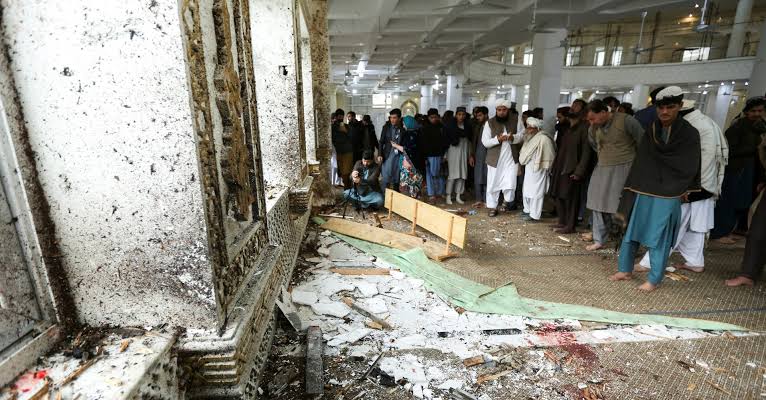
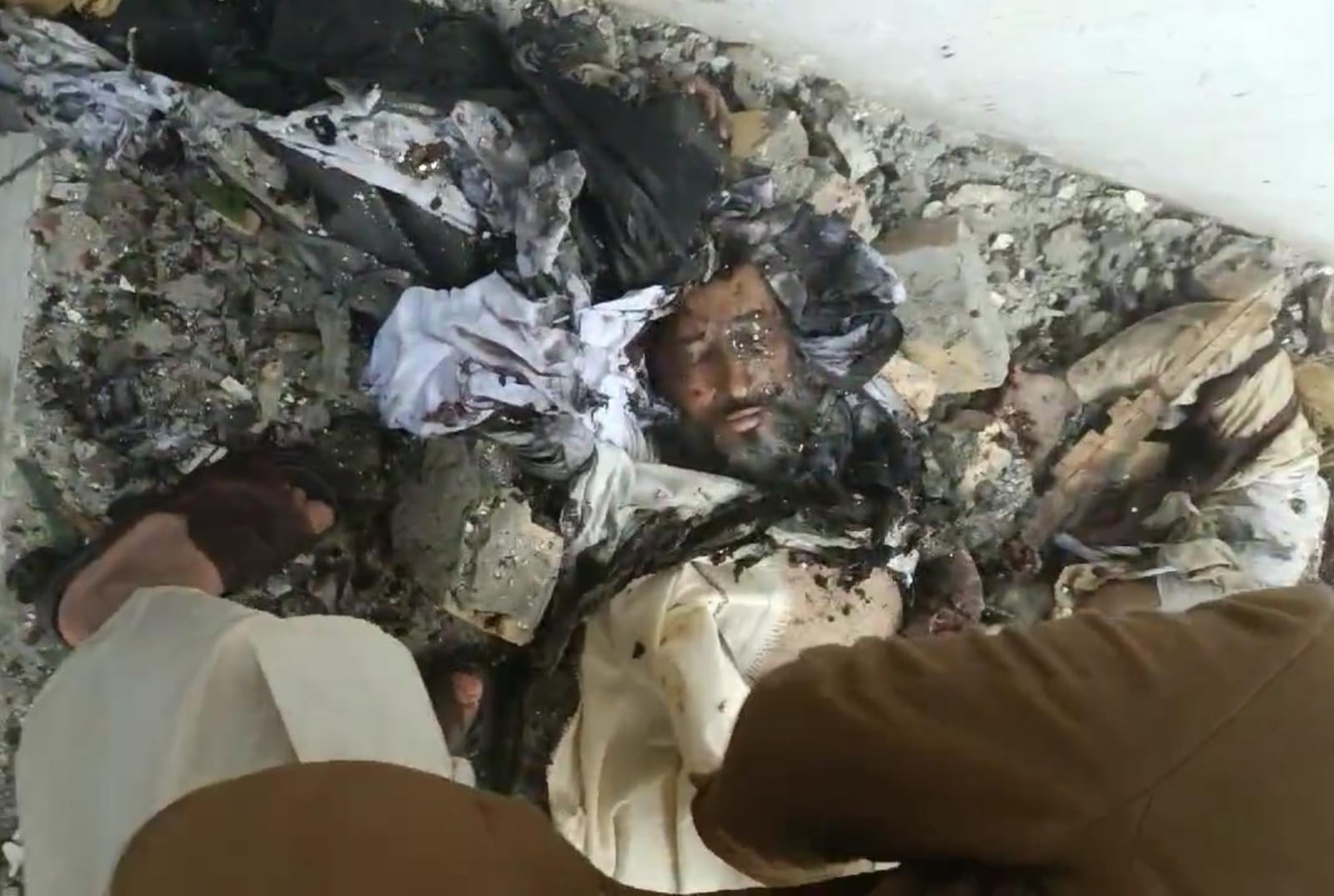
On 28 February 2025, a suicide bomber detonated an explosive device inside the Darul Uloom Haqqania seminary compound in Akora Khattak, Nowshera District, Khyber Pakhtunkhwa, during Friday prayers. The attack killed at least 8 people, including the seminary's head, cleric and Jamiat Ulema-e-Islam (S) leader Hamid Ul Haq Haqqani, and injured approximately 20 others, including Haqqani's son and successor Abdul Haq Sani Haqqani. No group immediately claimed responsibility, though Afghan authorities and several analysts suspected Islamic State - Khorasan Province (ISKP).
Date
2025-02-28
Status
documentedUpdated
2026-07-06
Location
Darul Uloom Haqqania seminary, Akora Khattak, Nowshera District, Khyber Pakhtunkhwa
Attributed To
Islamic State - Khorasan Province (suspected; unclaimed)
Casualties
8 killed, 20+ injured
Overview
On 28 February 2025, a suicide bomber detonated an explosive device inside the Darul Uloom Haqqania seminary compound in Akora Khattak, Nowshera District, Khyber Pakhtunkhwa, immediately after Friday prayers. The attacker was believed to have entered through a side gate and approached the seminary's head, Hamid Ul Haq Haqqani, as he was leaving the mosque before detonating an explosive belt. The blast killed at least eight people, including Haqqani and several worshippers, while injuring approximately 20 others, including three police officers guarding the compound and Haqqani's son and eventual successor, Abdul Haq Sani Haqqani.
Hamid Ul Haq Haqqani, aged 56 at the time of his death, was an Islamic scholar and former member of Pakistan's National Assembly who had led the Jamiat Ulema-e-Islam (S) party and the Darul Uloom Haqqania seminary since the assassination of his father, Sami-ul-Haq, in 2018. The seminary, the second-largest Islamic institution of its kind in Pakistan, is widely known for having educated numerous senior Afghan Taliban leaders, giving the institution outsized significance in regional religious and political affairs. The attack occurred on the final day of the madrassa's academic year and shortly before the start of Ramadan. Two other bombings, including one targeting a marketplace in Orakzai District, occurred elsewhere in Khyber Pakhtunkhwa the same day.
Attribution
No group immediately claimed responsibility for the bombing. Afghanistan's Interior Ministry attributed the attack to the Islamic State, with suspicion focused on Islamic State - Khorasan Province (ISKP), an affiliate with a history of attacking both Taliban-linked and other religious targets it considers ideologically opposed. Both the Afghan Taliban and the Pakistani Taliban publicly condemned the bombing. Pakistani authorities issued a photograph of the suspected bomber and offered a reward for information leading to his identification, though no formal charges or arrests were announced in the immediate aftermath.
Context
Darul Uloom Haqqania has long occupied a distinctive position at the intersection of Pakistani religious politics and the broader Afghan Taliban movement, having trained generations of Taliban figures and functioning as an influential centre of Deobandi religious authority. The killing of Hamid Ul Haq Haqqani, following the earlier assassination of his father in 2018, underscored the continued vulnerability of senior clerical and political figures associated with the seminary to targeted violence, in a period marked by rivalry between ISKP and Taliban-aligned religious networks across the Afghanistan-Pakistan border region.
International Response
Pakistani President Asif Ali Zardari and Prime Minister Shehbaz Sharif condemned the attack. The Islamic Emirate of Afghanistan sent condolences and emphasised the importance of ensuring the safety of religious scholars in the region. The Consulate General of the Islamic Republic of Iran in Peshawar issued a statement condemning the attack and calling for continued regional cooperation against terrorism. Haqqani's family, in the aftermath of his killing, appealed to his followers and students to remain peaceful, and his funeral on 1 March drew thousands of mourners under heavy security.
Sources
- 1Suicide bombing at Pakistan Islamic seminary kills six, including Taliban-linked cleric
Reuters · 2025-02-28 · Journalism
- 2Suicide bomb at a seminary in northwest Pakistan kills top cleric and 5 others ahead of Ramadan
Associated Press · 2025-02-28 · Journalism
- 3Blast at Taliban-linked Pakistani seminary kills six people, injures 20
Al Jazeera · 2025-02-28 · Journalism
- 4Suicide blast tears through Akora Khattak seminary
Dawn · 2025-03-01 · Journalism
- 5Thousands of mourners attend funeral of Taliban-linked cleric killed in Pakistan suicide blast
Associated Press · 2025-03-02 · Journalism