Incident
2019 Christchurch Mosque Shootings
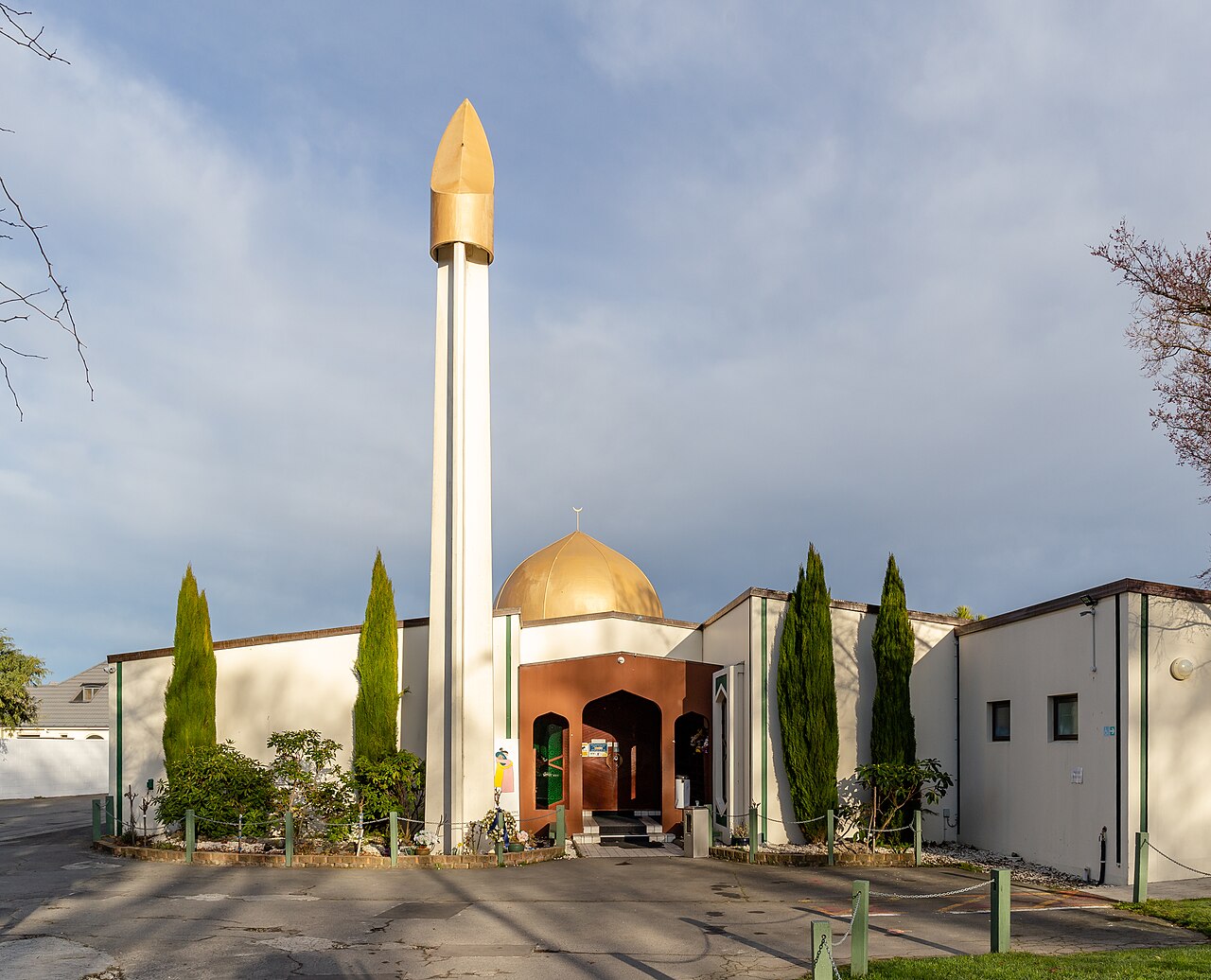
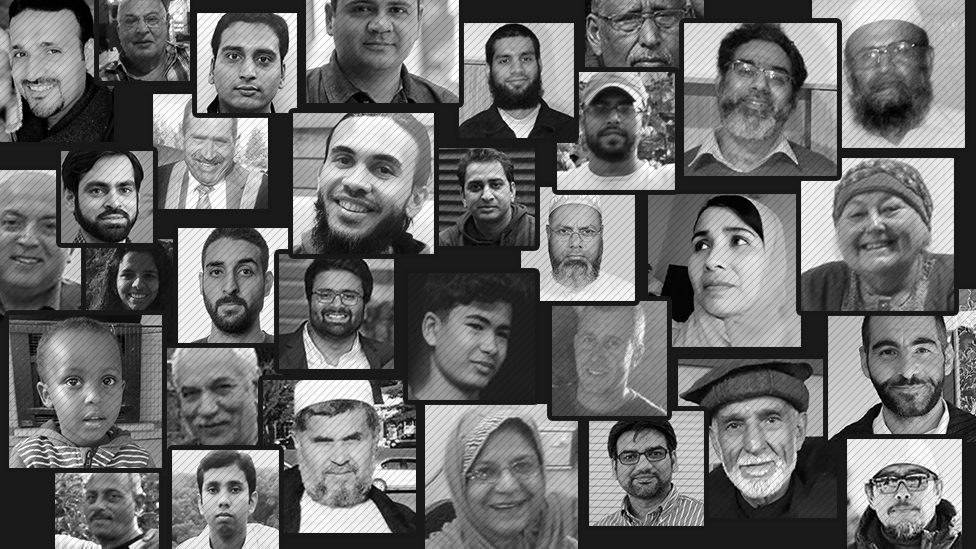
A far-right white-supremacist attacker opened fire during Friday prayers at Al Noor Mosque in Christchurch, New Zealand at 1:40 p.m. on 15 March 2019, then drove to the Linwood Islamic Centre and fired again, killing 51 Muslim worshippers and wounding 89 others. The attacker livestreamed the first shooting and published a manifesto before the attack. Police arrested him while he was driving toward a third target. In 2020 he pleaded guilty to 51 murders, 40 attempted murders, and engaging in a terrorist act, and was sentenced to life imprisonment without the possibility of parole, the first such sentence in New Zealand's history.
Date
2019-03-15
Status
documentedUpdated
2026-06-23
Location
Christchurch
Attributed To
Brenton Tarrant
Casualties
51 killed, 89+ injured
Overview
At 1:40 p.m. on 15 March 2019, an attacker entered Al Noor Mosque on Deans Avenue in Christchurch during Friday Jumu'ah prayers carrying four semi-automatic firearms. He opened fire on the congregation, killing 44 worshippers inside the mosque and in the surrounding area. He had livestreamed the attack via a head-mounted camera to Facebook before the platform was able to remove the feed, and had emailed a 74-page manifesto titled "The Great Replacement" to the New Zealand Prime Minister's office and media organisations minutes before the attack.
After leaving Al Noor Mosque, the attacker drove to the Linwood Islamic Centre approximately five kilometres away and opened fire again, killing seven more worshippers before being confronted by one of the congregants, who threw a credit card machine at him and forced him to retreat. One additional victim died later from injuries, bringing the Al Noor death toll to 44 and the Linwood toll to 7, for a combined total of 51 killed. Eighty-nine people were wounded across both sites.
Police intercepted the attacker's vehicle at a roadblock approximately 21 minutes after the first shots were fired. He was driving toward a third target when arrested. Two improvised explosive devices found attached to vehicles were rendered safe by police.
Attribution
The attacker was Brenton Harrison Tarrant, a 28-year-old Australian national who had been living in New Zealand. He had travelled extensively in Europe in the years preceding the attack and had become radicalised in far-right online spaces, absorbing and contributing to a transnational ideological current that frames Muslim immigration to Western countries as an existential demographic threat to white European civilisation. His manifesto drew on replacement theory ideology and explicitly referenced other far-right attacks, including the 2011 Norway attacks by Anders Behring Breivik, as inspiration.
Tarrant had legally purchased and modified his firearms within New Zealand and had been a member of a shooting club. New Zealand's intelligence services had not identified him as a security threat prior to the attack, having focused primarily on Islamist extremism. The Royal Commission's report found that the absence of monitoring of far-right extremism was a significant institutional failure.
Legal Proceedings
Tarrant was charged with 51 counts of murder, 40 counts of attempted murder, and one charge of engaging in a terrorist act under New Zealand law. He had initially pleaded not guilty but changed his pleas to guilty on all charges on 26 March 2020. Sentencing hearings were held in August 2020 before Justice Cameron Mander in the Christchurch High Court, during which survivors and family members delivered victim impact statements over several days.
On 27 August 2020, Tarrant was sentenced to life imprisonment without the possibility of parole on all 92 charges. This was the first time such a sentence had been imposed in New Zealand's legal history; prior to 2019 the sentence had not been available. The judge described the crimes as "an act of terrorism, unique in New Zealand's history." No appeal was filed.
Context
The Christchurch shootings are included in this collection to document that mass-casualty terrorism in the name of extremist ideology is not confined to jihadist movements but occurs across ideological spectrums, including far-right white-supremacist movements. The attack targeted Muslim worshippers gathered for Friday prayers and was explicitly framed by the attacker as an act of political violence intended to terrorise Muslim communities and incite broader conflict.
The attack prompted New Zealand to enact the Arms (Prohibited Firearms, Magazines, and Parts) Amendment Act 2019 within 26 days, banning the semi-automatic and assault-style weapons used in the attack. Prime Minister Jacinda Ardern's response, including her refusal to name the attacker publicly and her directive to media, became a reference point in international debate about the role of political leadership and media practices in responses to terrorism.
International Response
Governments around the world condemned the attack. The United Nations Secretary-General described it as a terrorist attack reflecting the global threat of right-wing extremist violence. The "Christchurch Call," a joint commitment by governments and technology companies to eliminate terrorist and violent extremist content online, was launched by New Zealand and France in May 2019 in direct response to the role of social media platforms in spreading the attack footage. The Royal Commission of Inquiry, which reported in December 2020, examined intelligence failures, community engagement practices, and the regulatory framework for firearms and made recommendations that informed subsequent policy changes.
Sources
- 1Royal Commission of Inquiry into the Terrorist Attack on Christchurch Mosques - Executive Summary
Royal Commission of New Zealand · 2020-12-08 · Government Report