Incident
2016 Uri Attack
Four gunmen attacked the Indian Army brigade headquarters near Uri in Jammu and Kashmir at 5:30 a.m. on 18 September 2016, killing 19 soldiers, the highest single-incident death toll for the Indian Army in Jammu and Kashmir in many years. Indian authorities attributed the attack to Jaish-e-Mohammed, citing weapons recovered at the scene bearing Pakistani markings. India conducted cross-border surgical strikes along the Line of Control ten days later, representing a significant escalation in the India-Pakistan military relationship.
Date
2016-09-18
Status
documentedUpdated
2026-06-23
Location
Uri, Jammu and Kashmir
Attributed To
Jaish-e-Mohammed
Casualties
19 killed, 30+ injured
Overview
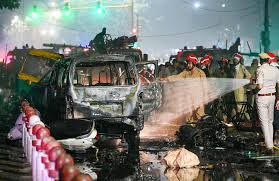
At approximately 5:30 a.m. on 18 September 2016, four heavily armed gunmen attacked the 12 Infantry Brigade headquarters camp near Uri town in Baramulla district, Jammu and Kashmir. The attackers threw incendiary grenades into tent clusters housing troops who had recently returned from counter-insurgency duties, igniting multiple fires simultaneously. Soldiers sleeping in the tents suffered severe burn injuries in addition to gunshot wounds. The fires spread rapidly through the temporary canvas structures, contributing significantly to the death toll.
Nineteen Indian Army soldiers were killed, making it the deadliest attack on the Indian Army in Kashmir since the mid-1990s. Approximately 30 others were injured. All four attackers were killed by security forces during the engagement. The weapons and equipment recovered from the attackers, including GPS devices, Pakistani-made food items, and firearms, were presented by Indian authorities as evidence of the attack's Pakistani origin.
Attribution
Indian Army and intelligence officials attributed the attack to Jaish-e-Mohammed within days of the incident, citing the material evidence recovered from the attackers. The National Investigation Agency conducted a detailed forensic investigation and filed charges attributing the attack to JeM commander Noor Mohammad, operating under the direction of Masood Azhar. Pakistan's government denied involvement and called for an independent investigation, a position India rejected. Pakistan also denied that the attackers had crossed from Pakistani territory.
Legal Proceedings
Because all four attackers died at the scene and the alleged planners were located in Pakistan beyond the reach of Indian courts, no criminal trial of direct perpetrators occurred in India. The National Investigation Agency filed a chargesheet in 2018 naming Pakistani nationals as the conspiracy's organizers. No proceedings against them have been possible.
Context
The Uri attack came at the end of a period of escalating unrest in the Kashmir Valley following the killing of militant commander Burhan Wani in July 2016, which had triggered months of protests and security force responses in which dozens of civilians were killed. The combination of sustained unrest and a major military casualty incident produced strong domestic political pressure on the Indian government to respond forcefully.
In response, India announced on 29 September 2016 that it had conducted "surgical strikes" against terrorist launch pads across the Line of Control on the night of 28 to 29 September, targeting infrastructure used to infiltrate militants into India. Pakistan denied that any such strikes had taken place, claiming only an exchange of fire along the Line of Control. The Indian government's announcement of the strikes and the public debate over their scope and impact represented a significant shift in India's declared posture toward responding to cross-border attacks, moving away from the practice of absorbing attacks without public military retaliation.
International Response
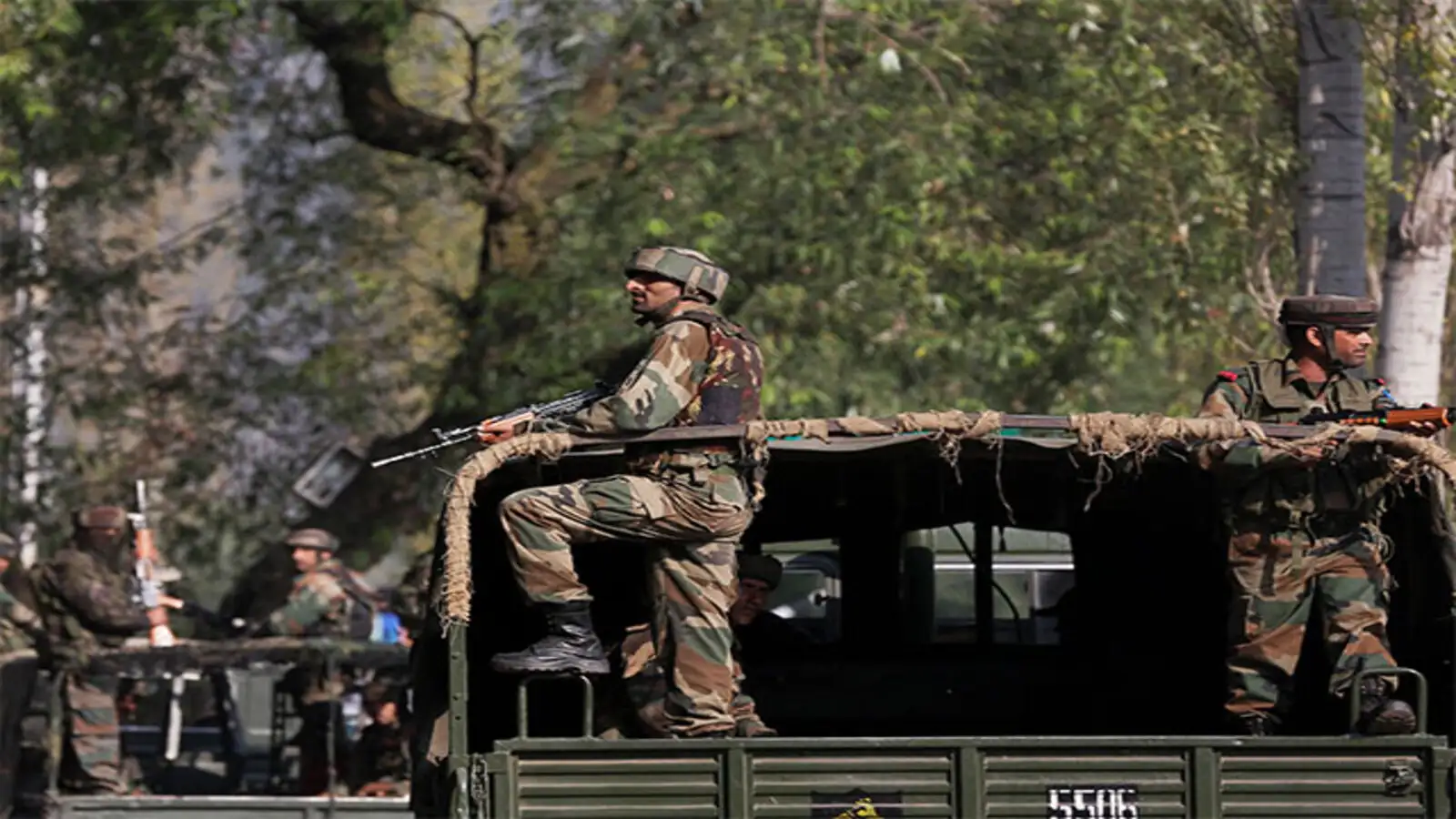
The Uri attack and India's subsequent surgical strikes drew significant international attention to the state of India-Pakistan relations. The United States called on both sides to exercise restraint and pursue dialogue. The incident contributed to India's decision to boycott the South Asian Association for Regional Cooperation summit scheduled in Islamabad in November 2016, which was subsequently cancelled. Relations between the two countries deteriorated sharply and did not meaningfully recover before the even more serious crisis following the 2019 Pulwama attack.
Sources
- 1Jaish-e-Mohammed Responsible for Attack on Uri Military Base: Indian Army
WION · 2026-06-23 · Journalism