Incident
2008 Mumbai Attacks (26/11)
Coordinated twelve-site attack across Mumbai over four days by ten Lashkar-e-Taiba operatives arriving by sea from Karachi. The attacks killed 166 people and wounded over 300. Sole survivor Ajmal Kasab was convicted and executed in 2012. Pakistani prosecutions of commanders including Zaki-ur-Rehman Lakhvi remain stalled as of 2024.
Date
2008-11-26
Status
documentedUpdated
2026-06-23
Location
Mumbai
Attributed To
Lashkar-e-Taiba (LeT)
Casualties
166 killed, 300+ injured
Overview
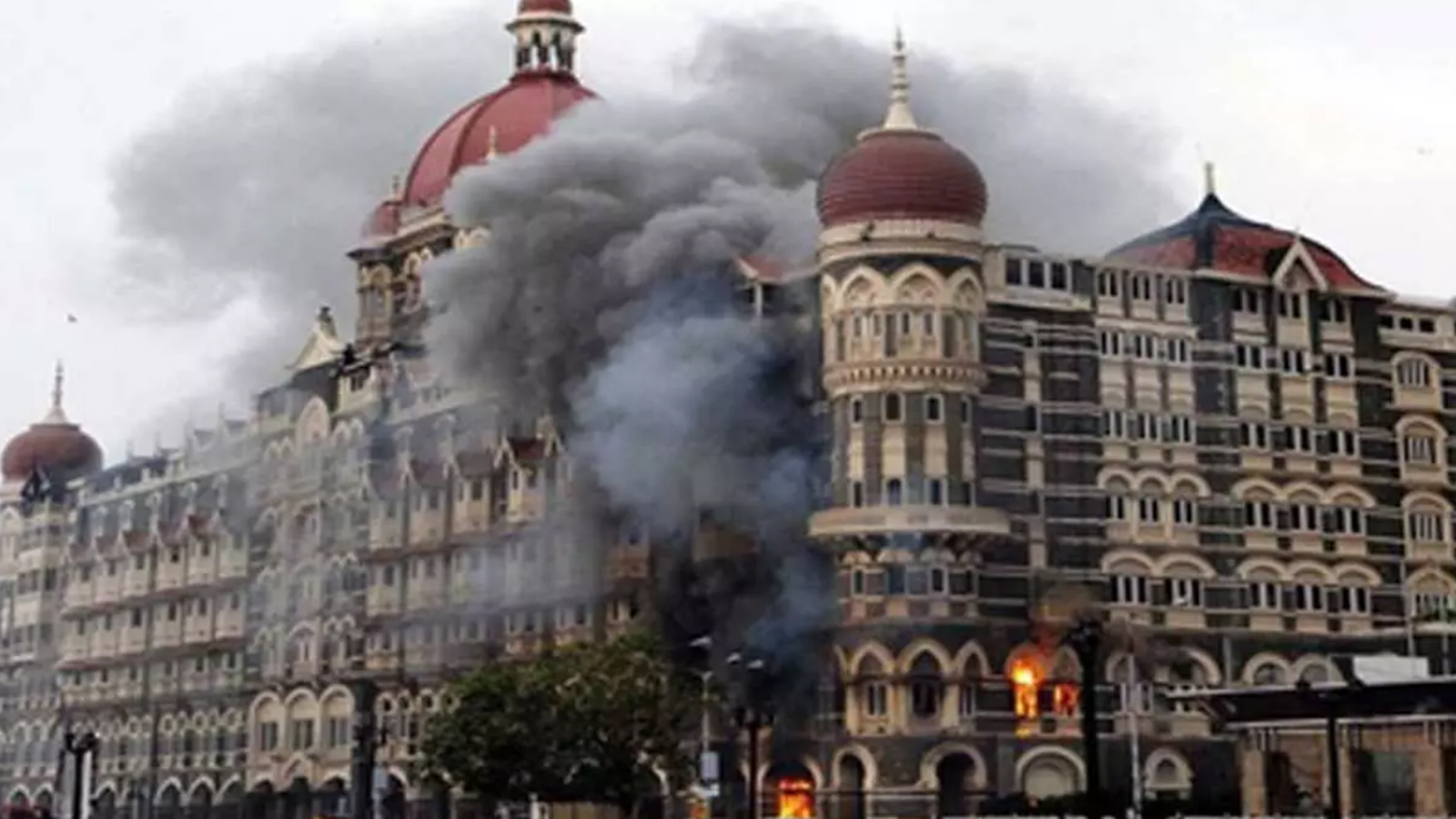
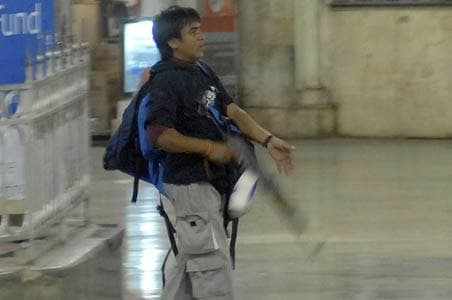
Between November 26 and 29, 2008, ten Lashkar-e-Taiba operatives arrived by sea from Karachi and launched coordinated attacks at twelve sites across Mumbai, including the Taj Mahal Palace Hotel, Oberoi Trident Hotel, Chhatrapati Shivaji Maharaj Terminus railway station, Nariman House (a Jewish cultural centre), and Cama Hospital. The attacks lasted approximately 60 hours and required a National Security Guard operation to neutralise the attackers. Nine of the ten attackers were killed by security forces; the tenth, Ajmal Kasab, was captured alive.
Attribution
Indian and U.S. investigations established that planning and logistical support were coordinated by Lashkar-e-Taiba leadership operating from Pakistani soil. The U.S. Department of Justice indicted several individuals, including David Coleman Headley, for pre-attack surveillance. Headley pleaded guilty in 2010 and provided testimony implicating both LeT and elements within Pakistan's Inter-Services Intelligence (ISI), an allegation Pakistan's government has denied.
Legal Proceedings
Ajmal Amir Kasab was tried before the Sessions Court of Greater Mumbai. The judgment delivered on May 3, 2010, convicted Kasab on multiple counts including waging war against India, murder, and conspiracy. He was sentenced to death and executed on November 21, 2012, after his appeals were exhausted.
A Pakistani court indicted seven individuals, including Lashkar-e-Taiba operational commander Zaki-ur-Rehman Lakhvi, in 2009. As of 2024, prosecutions in Pakistan remain stalled. India and the United States have separately designated Lakhvi under counterterrorism frameworks.
Context
Lashkar-e-Taiba was founded in Kunar, Afghanistan in 1987 and has operated primarily against Indian targets in Jammu and Kashmir. The 2008 attacks marked a significant escalation in scale and international visibility, drawing in foreign nationals as victims and triggering a diplomatic rupture between India and Pakistan. The attacks are frequently cited in counterterrorism literature as a case study in multi-vector, coordinated urban assault.
International Response
The United States, European Union, and United Nations condemned the attacks. The UNSC 1267 Sanctions Committee maintains a listing for Lashkar-e-Taiba reflecting findings of responsibility for the attacks. Lashkar-e-Taiba is designated as a Foreign Terrorist Organisation by the United States, a listed entity by the United Nations Security Council (UNSC 1267 Committee), and banned in Pakistan under the Anti-Terrorism Act as Jamaat-ud-Dawa, a successor front organisation.
Sources
- 1Mumbai Attack -- Case Study
United States Institute of Peace · 2009-06-01 · Academic
- 2State v. Mohammad Ajmal Mohammad Amir Kasab -- Judgment
Sessions Court, Greater Mumbai · 2010-05-03 · Court Record
- 3Lashkar-e-Taiba
U.S. Department of State -- Foreign Terrorist Organizations · 2001-12-26 · Designation Database