Incident
1993 Bombay Serial Bombings
On 12 March 1993, twelve coordinated bomb blasts struck Bombay within roughly two hours, killing 257 people and injuring approximately 1,400 others. The bombings were attributed to the D-Company criminal network run by Dawood Ibrahim, with Tiger Memon coordinating logistics on the ground. The attacks are widely understood as retaliation for the communal riots that shook Bombay in December 1992 and January 1993. Dawood Ibrahim and Tiger Memon have never been arrested and remain fugitives.
Date
1993-03-12
Status
documentedUpdated
2026-06-23
Location
Mumbai
Attributed To
D-Company (Dawood Ibrahim network)
Casualties
257 killed, 1400+ injured
Overview
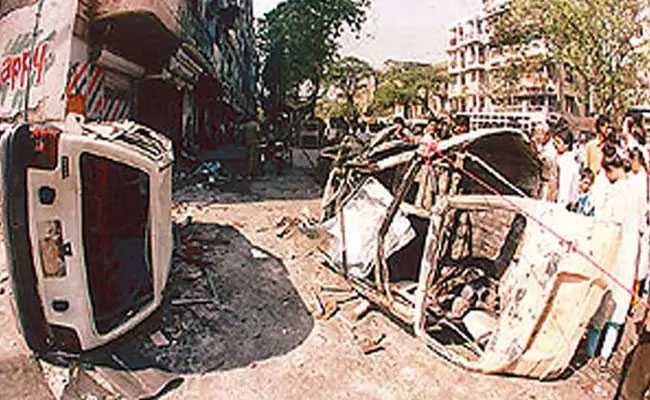
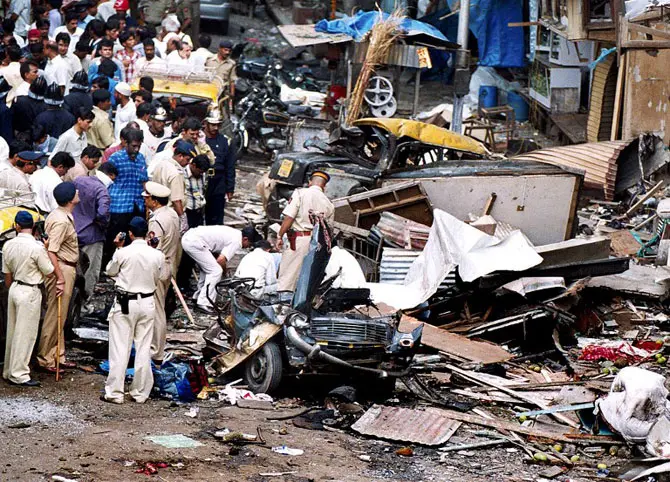
On 12 March 1993, twelve bomb blasts detonated across Bombay within approximately two hours, producing the deadliest terrorist attack in Indian history at the time. The sequence began at approximately 1:30 p.m. with a car bomb in the basement parking of the Bombay Stock Exchange, killing scores of workers and visitors. Subsequent blasts struck the Air India building, the Hotel Sea Rock, the Zaveri Bazaar, the Katha Bazaar, and other commercial and public areas spread across the city. The coordinated nature of the attacks, their timing during business hours, and the selection of targets associated with Bombay's financial and commercial life indicated extensive prior planning.
The total death toll reached 257, with approximately 1,400 people injured. Property damage was severe, and the blasts triggered widespread panic and communal tension in a city already traumatised by months of riots.
Attribution
Indian investigators attributed the bombings to D-Company, the transnational organised crime network operated by Dawood Ibrahim from his base in the Gulf. Tiger Memon, a Bombay-based operative, was identified as the primary logistics coordinator, responsible for procuring the RDX explosive, assembling the devices, and deploying the vehicles used as bomb carriers. The attacks are widely understood as retaliation for the communal riots of December 1992 and January 1993, in which Muslim residents of Bombay suffered significant casualties.
The network extended to Pakistan's Inter-Services Intelligence, which Indian authorities alleged provided material support and sanctuary to key conspirators after the attacks. Dawood Ibrahim has been designated a global terrorist by the United States and the United Nations but has not been extradited or prosecuted.
Legal Proceedings
Indian authorities arrested and charged hundreds of individuals in connection with the bombings. Proceedings before the Terrorist and Disruptive Activities (Prevention) Act court stretched over more than a decade. The Supreme Court of India upheld convictions in 2013 in a series of rulings that addressed the culpability of organisers, financiers, and foot soldiers at different levels of the network.
Yakub Memon, brother of Tiger Memon and convicted on charges related to financing and conspiracy, was executed by hanging on 30 July 2015 after his mercy petitions were rejected. His case attracted significant public debate over the application of the death penalty and the fairness of proceedings. Dawood Ibrahim and Tiger Memon remain at large and have never faced trial in India.
Context
The bombings did not occur in isolation. They followed the destruction of the Babri Masjid mosque in Ayodhya in December 1992 and the subsequent communal riots across India, particularly severe in Bombay, where both Hindu and Muslim communities suffered casualties. Investigators and analysts have described the bombings as the second act in a cycle of retaliatory violence. The scale and coordination of the attacks nonetheless marked a departure from previous patterns of communal violence, introducing large-scale coordinated bombing as a tactic in the Indian context.
The case also demonstrated the interface between transnational organised crime and terrorism, with D-Company serving as the logistical and financial infrastructure for an operation with political and communal dimensions.
International Response
The international response to the 1993 Bombay bombings was limited compared to later attacks of comparable scale. Western governments expressed condolences to India but did not issue formal coordinated condemnations, in part because the full attribution to D-Company and its alleged Pakistani intelligence links took time to establish. The United States subsequently designated Dawood Ibrahim a Specially Designated Global Terrorist under Executive Order 13224 in 2003, citing the 1993 bombings among the basis for designation. The UN Security Council's 1267 Sanctions Committee similarly listed Ibrahim in 2003.
Pakistan's role became the central international dimension of the case. India repeatedly demanded Ibrahim's extradition from Pakistan, where he was widely reported to reside in Karachi. Pakistan denied harbouring him. The dispute became a persistent source of bilateral tension and was repeatedly raised in diplomatic exchanges over subsequent decades. Interpol issued Red Notices for Ibrahim and Tiger Memon, both of whom have remained fugitives. India raised the matter before successive UN forums, and the failure to extradite Ibrahim is consistently cited in Indian government assessments of Pakistan's counter-terrorism credibility.
Sources
- 1Mumbai Blasts Once Again
Hudson Institute · 2026-06-23 · Academic